

The Bio Report podcast, hosted by award-winning journalist Daniel Levine, focuses on the intersection of biotechnology with business, science, and policy.
Episodes

Wednesday Apr 29, 2026
Wednesday Apr 29, 2026
Small molecule drugs and monoclonal antibodies often fall short at addressing severe inflammatory and immune‑mediated diseases. Mesoblast has spent more than 15 years industrializing mesenchymal stromal cell therapies to treat these conditions. In late 2024, it won U.S. Food and Drug Administration approval for Ryoncil, the first mesenchymal stromal cell therapy approved in the United States. Ryoncil is approved to treat steroid‑refractory acute graft‑versus‑host disease in pediatric patients 2 months of age and older. Mesoblast founder and CEO Silviu Itescu discusses how this class of therapy can help dampen cytokine‑driven hyperinflammation, how the company is extending its platform into other high‑burden conditions, and what distinguishes its second‑generation cell therapy now in development from its first.
Wednesday Apr 22, 2026
Wednesday Apr 22, 2026
Most existing therapies for multiple sclerosis do a good job of reducing relapses and inflammatory activity, but they largely fail to stop the slow neurodegeneration that drives long-term disability, especially in progressive forms of the disease. Immunic Therapeutics is trying to reshape the treatment landscape for multiple sclerosis with its experimental once-daily oral therapy, designed not only to curb inflammation and relapses but also to tackle the neurodegeneration that silently drives disability progression in both relapsing and progressive forms of MS. Daniel Vitt, CEO of Immunic, discusses how the company’s experimental MS therapy works, how it may protect neurons from cell death, and the potential for its dual mechanism of action to change the treatment landscape.
Wednesday Apr 15, 2026
Wednesday Apr 15, 2026
The treatment of inflammatory bowel disease currently relies on immunosuppressive therapies that often lose effectiveness, carry infection risks, and drive high treatment cycling. Abivax is betting that fine-tuning, rather than suppressing, the immune system can reshape the treatment paradigm in IBD. Marc de Garidel, CEO of Abivax, discusses how a once-failed HIV candidate evolved into a late‑stage oral IBD therapy that may deliver durable remission, how it acts upstream of key inflammatory pathways, and its potential in a crowded but still underserved IBD market.
Wednesday Apr 08, 2026
Wednesday Apr 08, 2026
Many people with the genetic condition Lynch syndrome live with the near‑certainty that they will one day develop cancer and have few options beyond constant screening and, in some cases, preventive surgery. Nouscom is trying to change that by training the immune system to spot and destroy cancer cells before tumors ever form. We spoke to Marina Udier, CEO of Nouscom, about the company’s experimental cancer vaccines, how they work, and the broader potential for the company’s off‑the‑shelf cancer therapies.
Wednesday Apr 01, 2026
Wednesday Apr 01, 2026
Alzheimer’s disease drug development has long focused on slowing memory loss, but for many families, the tipping point that makes home care impossible is not cognition—it is psychosis. Hallucinations and delusions in Alzheimer’s are a distinct, prevalent, and under-recognized target for therapy. We spoke to Elizabeth Thompson, executive vice president and head of R&D at Acadia Pharmaceuticals, about the biology behind psychosis in dementia, the company’s experimental therapy to treat the condition in people with Alzheimer’s disease, and the forces reshaping the drug development landscape to enable the development of such treatments.
Wednesday Mar 25, 2026
Wednesday Mar 25, 2026
RICO, the Racketeer Influenced and Corrupt Organizations Act, was originally designed to prosecute organized crime. Today, it sits at the center of a landmark class action against two of the world’s largest pharmaceutical companies over the diabetes drug Actos. Attorney Harrison James of Wisner Baum discusses Painters and Allied Trades District Council 82 Health Care Fund v. Takeda, a national civil RICO case alleging that Takeda and Eli Lilly carried out a coordinated, years-long scheme to downplay known bladder cancer risks. The complaint asserts that regulators, physicians, and third-party payers were misled, leading to billions of dollars in reimbursements for the drug. James discusses how RICO’s legal framework applies in the pharmaceutical context, what it took to secure class certification where similar efforts have failed, and the broader implications this case may hold for the industry.
Wednesday Mar 18, 2026
Wednesday Mar 18, 2026
Pancreatic cancer remains one of oncology’s deadliest diagnoses, with standard treatments often offering only transient tumor shrinkage at the cost of grueling side effects and rapid resistance. Immuneering is using transcriptomic and informatics tools to design a MEK inhibitor dosed in intense daily pulses rather than continuously. This approach aims to restore a more normal signaling rhythm in healthy cells while repeatedly ambushing tumors. Ben Zeskind, CEO of Immuneering, discusses how the company is using its informatics-driven dosing regimen to re-engineer targeted cancer therapy so it extends survival, delays resistance, and is better tolerated.
Wednesday Mar 11, 2026
Wednesday Mar 11, 2026
Human leukocyte antigen, or HLA, genes, help the immune system tell the difference between the body’s own tissues and outside threats. In some people, certain versions of HLA genes mistakenly flag normal proteins as dangerous, which can push immune cells to attack joints, nerves, the gut, or other organs. Many autoimmune diseases are driven by changes in HLA genes. RheumaGen is developing a new kind of gene-editing treatment that aims to cure autoimmune diseases by going after one of their root genetic triggers. Instead of broadly weakening the immune system, the company’s goal is to switch off a single “bad” version of an immune gene while leaving the rest of the body’s defenses intact. We spoke to Richard Freed, CEO of RheumaGen, about the role of HLA genes in autoimmune diseases, how the company’s gene-editing therapies work, and its lead program in rheumatoid arthritis.
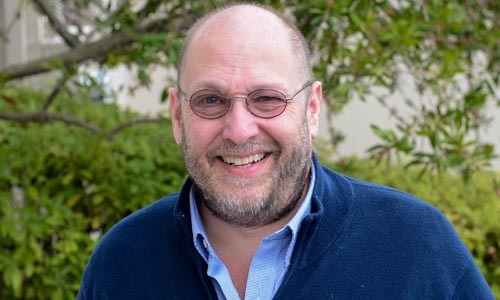
Daniel Levine
Daniel Levine is an award-winning business journalist who has reported on the life sciences, economic development, and business policy issues throughout his career. He is founder and principal of Levine Media Group, host of The Bio Report and RARECast podcasts, a senior fellow at the Center for Medicine in the Public Interest, and author of Global Genes’ annual NEXT report on emerging trends in the world of rare disease. From 2011 to 2014, he served as the lead editor and writer of Burrill & Company’s acclaimed annual book on the biotech industry. His work has appeared in numerous national publications including The New York Times, The Industry Standard, and TheStreet.com.