

The Bio Report podcast, hosted by award-winning journalist Daniel Levine, focuses on the intersection of biotechnology with business, science, and policy.
Episodes
Thursday Jan 05, 2023
Thursday Jan 05, 2023
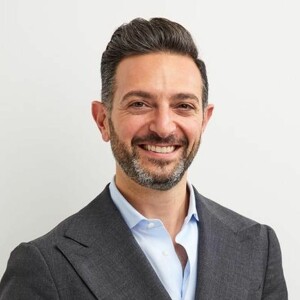
ProFound Therapeutics has developed platform technology to catalogue and understand previously undetected human proteins and the role they play in health and disease. By focusing on proteins in the process of translation, the company said it has identified tens of thousands of undiscovered proteins that can provide untapped therapeutic targets. We spoke to Avak Kahvejian, co-founder and CEO of ProFound Therapeutics, about the company’s platform technology, the vastness of the unexplored proteome it seeks to discover, and how this can lead to the development of breakthrough medicines.

Thursday Dec 29, 2022
Thursday Dec 29, 2022
It was a difficult year for biotechs with drops in the major biotech indices, fewer new drug approvals, and more than 125 companies announcing layoffs. But there were also triumphs to celebrate. We continue our annual tradition of ending the old year and ushering in the new one with Adam Feuerstein, Polk Award Winning journalist and senior biotech writer for STAT. We discuss the good, the bad, and the ugly of biotech in 2022; Feuerstein’s annual best and worst CEO list; and what’s ahead at JPMorgan and beyond in 2023.

Thursday Dec 22, 2022
Thursday Dec 22, 2022
Checkpoint inhibitors are not new, but Immutep is developing therapies that target LAG-3, a checkpoint discovered by its chief scientific officer. The LAG-3 gene codes for a protein that plays a role in the regulation of the immune system and is expressed on T cells. Immutep is seeking to target LAG-3 to both stimulate the immune system to treat cancers and suppress the immune system to treat autoimmune disease. We spoke to Marc Voigt, CEO of Immutep, about the LAG-3 checkpoint, the company’s lead experimental candidate, and its partnerships with GSK and Novartis to develop therapies for cancer and autoimmune diseases.

Thursday Dec 15, 2022
Thursday Dec 15, 2022
The ability to engineer biology is not only revolutionizing how we treat illness, but the way grow food, and produce goods as well. With this ability, though, comes an awareness of how the same technology can be used for nefarious purposes. We spoke to Matt McKnight, general manager of Biosecurity of Ginkgo Bioworks, about our increasing ability to engineer biology, the potential risks that come with that, and the steps we are taking to safeguard ourselves against those risks.
Thursday Dec 08, 2022
Thursday Dec 08, 2022
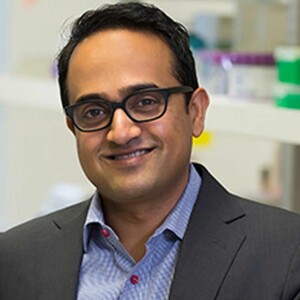
Cytokines control nearly all aspects of the immune system. As drugs, though, they have limited potential because of inherent drawbacks. Simcha Therapeutics is engineering versions of cytokines to activate various immune cells in the fight against cancer. Simcha’s most advanced program, ST-067, is the first in a new class of interleukin-18 based immunotherapies designed to overcome a key defense mechanism that the tumor microenvironment produces to prevent Interleukin-18 from doing its work. We spoke to Sanuj Ravindran, CEO of Simcha Therapeutics, about the company’s engineered cytokines, how they work, and why they may represent a powerful addition to the immunotherapy arsenal.

Thursday Dec 01, 2022
Thursday Dec 01, 2022
Arcellx is developing controllable cell therapies for the treatment of cancer and autoimmune diseases. It’s platform technology allows it to mark diseased cells within the body for destruction. Its cell therapies then destroy the flagged cells. We spoke to Rami Elghandour, chairman and CEO of Arcellx, about the company’s platform technology, how it works, and how it may lead to safer and more effective cell therapies.

Wednesday Nov 23, 2022
Wednesday Nov 23, 2022
Despite the large human and societal costs of neuropsychiatric disorders, many of these conditions have poor or no treatment options. And there has been a dearth of new mechanisms to treat major neuropsychiatric disorders for decades. PsychoGenics is seeking to change that with its unique approach to drug discovery for these conditions. Rather than rely on a target-based approach, the company has created high-throughput phenotypic screens using validated mouse models and artificial intelligence to detect behavioral changes. We spoke to Mark Varney, chief scientific officer of PsychoGenics, about the company’s use of phenotypic screens to discover new drugs for neuropsychiatric disorders, how it works, and the case for this approach.

Thursday Nov 17, 2022
Thursday Nov 17, 2022
Chronic, cancer-related pain affects between 30 and 50 percent of patients undergoing cancer treatment and more than 70 percent of patients with advanced disease. Linda Carlson, Enbridge research chair in psychosocial oncology at the University of Calgary Cumming School of Medicine, is working with digital therapeutics developer Rocket VR Health to study the potential of a virtual reality-guided mindfulness intervention program in adult cancer patients with chronic, cancer-related pain. The thinking is that mindfulness could mitigate chronic cancer-related pain by regulating both physical and emotional resistance to it and that virtual reality could create an immersive environment that could focus patients’ attention on present moment experiences making it easier for them to achieve mindfulness achieve more effective results. We spoke to Carlson about the problem of chronic pain in cancer, the case for mindfulness, and why the use of virtual reality might provide better outcomes for patients.

Daniel Levine
Daniel Levine is an award-winning business journalist who has reported on the life sciences, economic development, and business policy issues throughout his career. He is founder and principal of Levine Media Group, host of The Bio Report and RARECast podcasts, a senior fellow at the Center for Medicine in the Public Interest, and author of Global Genes’ annual NEXT report on emerging trends in the world of rare disease. From 2011 to 2014, he served as the lead editor and writer of Burrill & Company’s acclaimed annual book on the biotech industry. His work has appeared in numerous national publications including The New York Times, The Industry Standard, and TheStreet.com.