

The Bio Report podcast, hosted by award-winning journalist Daniel Levine, focuses on the intersection of biotechnology with business, science, and policy.
Episodes

Thursday Oct 22, 2020
Thursday Oct 22, 2020
While immunotherapies carry great promise for improving outcomes for people with cancer, the ability of cancers to evade the immune system and develop resistance limits their benefits as monotherapies. BioEclipse Therapeutics is developing therapies that marry activated immune cells with oncolytic viruses. Together, they provide a synergistic effect that attacks cancers while providing protection against relapse and recurrence. We spoke to Pamela Contag, co-founder and CEO of BioEclipse, about the ability of cancers to return after treatment with immunotherapies, BioEclipse’s efforts to develop a multi-mechanistic immunotherapy to overcome that challenge, and why its approach may have broad application across a range of cancers.

Thursday Oct 15, 2020
Thursday Oct 15, 2020
While the potential for precision medicine has excited drug developers and clinicians with the promise of delivering more meaningful therapies to patients, the advent of these medicines has largely come in the area of cancer. As the understanding of the biology of other diseases is better understood, efforts to develop precision medicines are advancing into new areas. We spoke to Rachel Laing, managing director of the life sciences consulting firm Bionest, about the state of precision medicine, what can be learned from the experience in cancer, and what it will take to make precision medicine approaches the way we treat diseases broadly.

Thursday Oct 08, 2020
Thursday Oct 08, 2020
Zea Biosciences is not a typical contract manufacturing organization. The company uses plants to grow recombinant proteins for biologic therapies. To produce a consistent and predictable product, Zea uses a data-intensive approach and grows plants in clean rooms. The end result is a high-scalable platform that is cost-efficient. We spoke to Jim Wilson, CEO of Zea Biosciences, about the company’s approach to producing biologics in plants, why it is a data-intensive process, and the advantages it provides over traditional biomanufacturing.

Thursday Oct 01, 2020
Thursday Oct 01, 2020
United Biomedical has long been in the business of producing animal vaccines, but in recent years it has turned its attention to developing vaccines for chronic human diseases including neurological diseases, diabetes, and other targets. More recently it has used its vaccine platform to develop a multitope peptide COVID-19 vaccine and spun it out into a division dubbed COVAXX. We spoke to COVAXX co-founder and CEO Mei Mei Hu and COVAXX co-founder and Chairman Peter Diamandis, about the company’s efforts to develop a COVID-19 vaccine, how its peptide-based vaccine works, and the case for this approach. Since recording this interview, COVAXX began dosing participants in its phase 1 trial September 28, 2020.
Thursday Sep 24, 2020
Thursday Sep 24, 2020
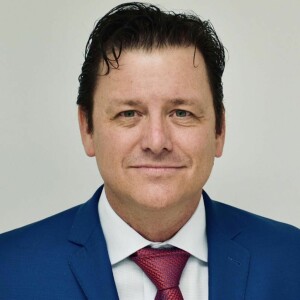
CAR-T therapies are an area of great promise for improving outcomes for cancer patients, but the process of preparing cells taken from a patient and genetically modifying them is time consuming and costly. Exuma Biotech believes it can address the cost and time involved in the preparation of these products with its rapid, point-of-care platform technology. We spoke to Greg Frost, chairman and CEO Exuma Biotech, about CAR-T therapies, how its technology works, and how it is working to cut the cost, and speed the delivery of these immunotherapies to patients.

Thursday Sep 17, 2020
Thursday Sep 17, 2020
The administration of biologics can be challenging because of the sheer volume of product needed to deliver a dose to a patient. It is for this reason that many of these therapies must be infused into a patient, a process that is disruptive, costly, and can take several hours. Halozyme’s Enhanze drug delivery technology has been used by a number of biologics producers to take a therapy that would otherwise need to be infused to allow it to be administered with a subcutaneous injection. We spoke to Renee Tannenbaum, vice president of global partnering for Halozyme , about the company’s Enhanze drug delivery technology, how it works, and the company’s reorganization to focus on partnerships around it.

Thursday Sep 10, 2020
Thursday Sep 10, 2020
NASH, a form of fatty liver disease, causes progressive damage and can lead to inflammation, fibrosis, and the development of cancer. It has become an increasing health concern as the Western diet has spread throughout the globe. Today it is estimated that as much as 5 percent of the world’s population has NASH with a greater percent of people with the condition in the United States. There is no simple blood test to diagnose NASH, which means it often progresses to a fibrotic stage before it is detected. There is also no approved therapy to treat it. We spoke to Robert Foster, CEO of Hepion, about the company’s experimental therapy for NASH, how it works, and why it may also have utility as a treatment for COVID-19.

Thursday Sep 03, 2020
Thursday Sep 03, 2020
The complexity of neurodegenerative diseases has made it a challenging area for drug developers. Gene Kinney, CEO of Prothena, has long been involved in the pursuit of therapies for diseases such as Alzheimer’s and believes there has been great progress in understanding and targeting these conditions. In fact, he says we are entering a golden age of neuroscience. We spoke to Kinney about the state of drug development for neurodegenerative conditions, Prothena’s pipeline, and its effort to target protein dysregulation in these diseases.

Daniel Levine
Daniel Levine is an award-winning business journalist who has reported on the life sciences, economic development, and business policy issues throughout his career. He is founder and principal of Levine Media Group, host of The Bio Report and RARECast podcasts, a senior fellow at the Center for Medicine in the Public Interest, and author of Global Genes’ annual NEXT report on emerging trends in the world of rare disease. From 2011 to 2014, he served as the lead editor and writer of Burrill & Company’s acclaimed annual book on the biotech industry. His work has appeared in numerous national publications including The New York Times, The Industry Standard, and TheStreet.com.