

The Bio Report podcast, hosted by award-winning journalist Daniel Levine, focuses on the intersection of biotechnology with business, science, and policy.
Episodes

Thursday Oct 24, 2019
Thursday Oct 24, 2019
The study of microbes and their interactions is changing our understanding of biology, but only a small fraction of microbial species have been cultured. One of the challenges researchers have faced is the limits of existing tools used to study microbes. We spoke to Peter Christey, co-founder and CEO of GALT, about our emerging understanding of the microbiome, the need for a technological transformation of microbiome-based science, and how his company is hoping to fuel the emergence of new insights with its high-throughput technology to isolate and cultivate microbes.

Thursday Oct 17, 2019
Thursday Oct 17, 2019
Cofactor Genomics believes RNA provides a better means than DNA and other biomarkers to diagnose disease, monitor health, and enhance treatment decisions. The company’s Predictive Immune Modeling provides insight into a cancer patient’s immune response at the tumor to determine whether an individual is likely to response to an immunotherapy. We spoke to Jarret Glasscock, founder and CEO of Cofactor Genomics, about its RNA diagnostics, the case for the use of multidimensional biomarkers, and the challenges it faces with physician adoption and reimbursement.

Thursday Oct 10, 2019
Thursday Oct 10, 2019
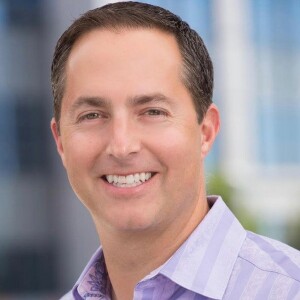
Scientists can understand individual tumors at a molecular basis, but clinician don’t yet routinely profile and treat cancers based on this knowledge. Strata Oncology, with drug developers as its customer, is providing tumor profiling to cancer patients in the hopes of directing them into appropriate clinical trials. We spoke to Dan Rhodes, co-founder and CEO of Strata, about the state of precision medicine, Strata’s business model which works around the often-difficult issue of reimbursement for in vitro diagnostics, and the company’s long-term plan for building a commercial diagnostics business.
Thursday Oct 03, 2019
Thursday Oct 03, 2019
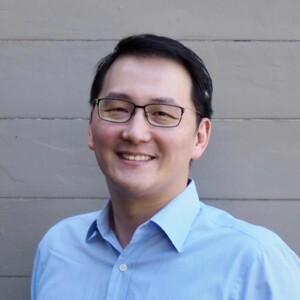
Bellicum Pharmaceuticals is developing cellular immunotherapies that modulate T cell function through controllable molecular switches. The company is developing these immunotherapies to treat a range of cancers, as well as rare inherited blood disorders. The company believes the ability to modulate these cells once they are in the body will provide safer and more effective immunotherapies. We spoke to Rick Fair, CEO of Bellicum, about the company’s approach, how its molecular switches work, and its current therapeutic pipeline.
Thursday Sep 26, 2019
Thursday Sep 26, 2019
Senti Bio is using synthetic biology to build intelligence into cell and gene therapies, altering the way they act depending on the changing biological circumstances they may encounter in the body. Doing so may lead to safer and more effective therapies and address such things as the tumor microenvironment and mechanisms cancer have to grow, spread, and become resistant to treatments. Ahead of his appearance at the SynBioBeta conference that runs October 1-3 in San Francisco, we spoke to Tim Lu, co-founder and CEO of Senti Bio, about the company’s efforts to engineer a new class of intelligent medicines, its ability to design therapies that hit multiple targets, and its strategy to leverage its technology to reach beyond oncology through partnerships.

Thursday Sep 19, 2019
Thursday Sep 19, 2019
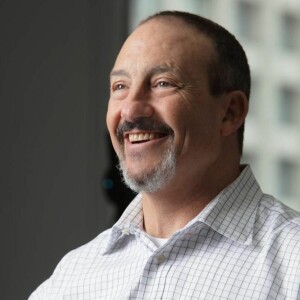
Nurix Therapeutics is harnessing the body’s natural process for controlling protein levels to target and degrade proteins that drive cancer and other diseases. Its small molecule therapies control key enzymes responsible for protein breakdown and can be used to modulate the levels of proteins within cells. The company believes it can leverage the approach to treat a range of diseases. We spoke to Arthur Sands, CEO of Nurix, about the company’s discovery platform, its pipeline of cancer therapies, and its recent collaboration with Gilead Sciences to discover and develop drug candidates against up to five targets.
Thursday Sep 12, 2019
Thursday Sep 12, 2019
The biopharmaceutical industry has been embracing artificial intelligence as a way to address complex issues of drug design and development, but Aktana is betting that such big data analysis can improve decision-making around sales and marketing too. Aktana’s AI technology integrates with a company’s customer relationship management system to synthesize data from a wide variety of sources and guide marketing teams and sales reps about such things as which physicians to contact, when to do so, and how to best approach them. We spoke to David Ehrlich, president and CEO of Aktana, about the company’s decision support products, how they work, and the case for using AI to improve sales and marketing decision-making.

Wednesday Sep 11, 2019
Wednesday Sep 11, 2019
When David Fajgenbaum was in medical school, he became stricken with a rare autoimmune disease that nearly killed him. Though he recovered, he would suffer recurring, life-threatening flares only to discover the poor state of research into condition. Fajgenbaum chronicles his rare disease journey and his efforts to drive research and find treatments in his new book “Chasing My Cure: A Doctor’s Race to Turn Hope into Action.” Fajgenbaum, who is executive director of the Castleman Disease Collaborative Network, will be featured at this year’s Global Genes Rare Patient Advocacy Summit, which begins in San Diego September 18. Ahead of the summit, we spoke to him about his experience as a rare disease patient, his efforts to find treatments for his conditions, and how his innovative approach to developing a patient-driven research agenda has provided a roadmap for other rare disease organization to follow suit.
Daniel Levine
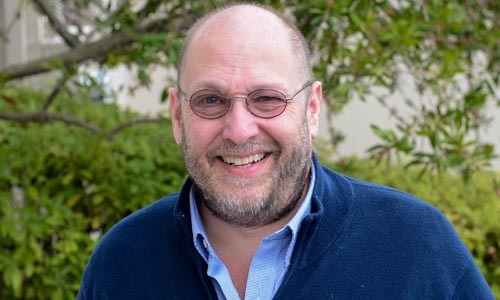
Daniel Levine is an award-winning business journalist who has reported on the life sciences, economic development, and business policy issues throughout his career. He is founder and principal of Levine Media Group, host of The Bio Report and RARECast podcasts, a senior fellow at the Center for Medicine in the Public Interest, and author of Global Genes’ annual NEXT report on emerging trends in the world of rare disease. From 2011 to 2014, he served as the lead editor and writer of Burrill & Company’s acclaimed annual book on the biotech industry. His work has appeared in numerous national publications including The New York Times, The Industry Standard, and TheStreet.com.