

The Bio Report podcast, hosted by award-winning journalist Daniel Levine, focuses on the intersection of biotechnology with business, science, and policy.
Episodes

Thursday Nov 28, 2019
Thursday Nov 28, 2019
In the United States, more than 100,000 people are on a transplant waiting list and many other simply do not qualify. In 2009, 25 people per day died while on the waiting list. Transplant procedures are costly and require lifelong use of immunotherapies. BioLife4D is seeking to disrupt organ transplantation with the development of bioprinted hearts produced using a patient’s own cells. The technology also has the potential to have an impact in other areas, such as drug discovery and development. We spoke to Steve Morris, founder and CEO of BioLife4D, about its effort to bioprint a transplantable human heart, a recent milestone it achieved to produce a mini-heart, and the range of challenges it must overcome to make its vision a commercial success.

Thursday Nov 21, 2019
Thursday Nov 21, 2019
Sermo describes itself as a “virtual doctors’ lounge” where physicians can express their opinions and interact with other doctors. One of the newer features on the physician-only social network is the ability to crowdsource solutions for difficult cases. We spoke to Erin Fitzgerald, senior vice president of marketing at Sermo, about the social networking platform, how it’s used to solve hard-to-crack cases, and the business model underlying the free service for physicians.

Thursday Nov 14, 2019
Thursday Nov 14, 2019
Essential tremors, uncontrollable shaking of the hands, arms, and other parts of the body, have been traditionally treated through drugs or surgery. Cala Health is providing a new option to patients with its wristwatch-like neuromodulation device that uses electrical pulses to stimulate peripheral nerves to treat the condition. We spoke to Renee Ryan, CEO of Cala Health, about the company’s Cala Trio device, the potential for bioelectric medicine to treat a broader range of neurologic, psychiatric, and cardiologic indications; and what it will take to get payers and providers to embrace the technology.
Wednesday Nov 06, 2019
Wednesday Nov 06, 2019
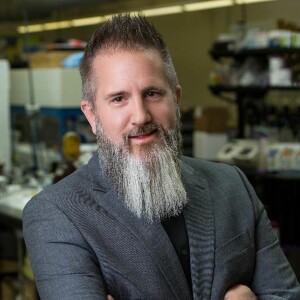
The ability to engineer biological systems to replace chemical processes is making the promise of the emerging bioeconomy a reality. Some of the leading industry players, though, see a growing need to have a voice in the policy arena and have formed the Bioeconomy Alliance to ensure the sector can flourish and realize its potential. We spoke to Jason Gammack, chief commercial officer of Inscripta and a founding member of the Bioeconomy Alliance, about how synthetic biology is reshaping the economy, why there is a need for this new organization, and the issues it will address.

Thursday Oct 31, 2019
Thursday Oct 31, 2019
Efforts to develop effective therapies to treat Alzheimer’s disease have been stymied by a long history of clinical failures. Those disappointments have included two, late-stage failures of AC Immune’ Crenezumab, which the company is developing with it partner Roche. The two companies are continuing to pursue the drug under the belief that treating patients earlier in the progress of the disease will be critical. We spoke to Andrea Pfeifer, CEO of AC Immune, about the company’s efforts to identify and treat Alzheimer’s at its earliest stages, its efforts to develop a vaccine against the condition, and why she believes the future of Alzheimer care will involve combination therapies similar to what has emerged in the area of cancer.

Thursday Oct 24, 2019
Thursday Oct 24, 2019
The study of microbes and their interactions is changing our understanding of biology, but only a small fraction of microbial species have been cultured. One of the challenges researchers have faced is the limits of existing tools used to study microbes. We spoke to Peter Christey, co-founder and CEO of GALT, about our emerging understanding of the microbiome, the need for a technological transformation of microbiome-based science, and how his company is hoping to fuel the emergence of new insights with its high-throughput technology to isolate and cultivate microbes.

Thursday Oct 17, 2019
Thursday Oct 17, 2019
Cofactor Genomics believes RNA provides a better means than DNA and other biomarkers to diagnose disease, monitor health, and enhance treatment decisions. The company’s Predictive Immune Modeling provides insight into a cancer patient’s immune response at the tumor to determine whether an individual is likely to response to an immunotherapy. We spoke to Jarret Glasscock, founder and CEO of Cofactor Genomics, about its RNA diagnostics, the case for the use of multidimensional biomarkers, and the challenges it faces with physician adoption and reimbursement.

Thursday Oct 10, 2019
Thursday Oct 10, 2019
Scientists can understand individual tumors at a molecular basis, but clinician don’t yet routinely profile and treat cancers based on this knowledge. Strata Oncology, with drug developers as its customer, is providing tumor profiling to cancer patients in the hopes of directing them into appropriate clinical trials. We spoke to Dan Rhodes, co-founder and CEO of Strata, about the state of precision medicine, Strata’s business model which works around the often-difficult issue of reimbursement for in vitro diagnostics, and the company’s long-term plan for building a commercial diagnostics business.
Daniel Levine
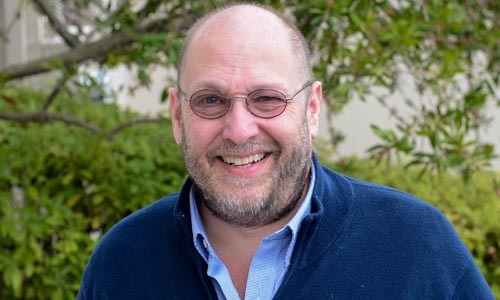
Daniel Levine is an award-winning business journalist who has reported on the life sciences, economic development, and business policy issues throughout his career. He is founder and principal of Levine Media Group, host of The Bio Report and RARECast podcasts, a senior fellow at the Center for Medicine in the Public Interest, and author of Global Genes’ annual NEXT report on emerging trends in the world of rare disease. From 2011 to 2014, he served as the lead editor and writer of Burrill & Company’s acclaimed annual book on the biotech industry. His work has appeared in numerous national publications including The New York Times, The Industry Standard, and TheStreet.com.