

The Bio Report podcast, hosted by award-winning journalist Daniel Levine, focuses on the intersection of biotechnology with business, science, and policy.
Episodes

Wednesday Aug 14, 2019
Wednesday Aug 14, 2019
Antibody-drug conjugates marry the precise targeting of an antibody to a cytotoxic payload. That has the potential to provide a powerful treatment approach to a variety of cancers with less toxicity than systemically delivered chemotherapy. The problem has been producing large quantities of antibody-drug conjugates in a consistent manner where all the pieces are where they belong. Sutro Biopharma has developed a technology platform that allows it to precisely design and consistently manufacture these molecules. We spoke to Bill Newell, CEO of Sutro, about the promise of antibody-drug conjugates, the company’s platform technology, and its lead therapeutic candidates.

Thursday Aug 08, 2019
Thursday Aug 08, 2019
While much of the focus of drug developers looking to act on the genetic mechanisms underlying diseases has focused on the genes that code for proteins, Syros Pharmaceuticals is looking to the regulatory regions of the genome. This is the noncoding part of the genome that controls the expression of genes, turning them on or off, or modulating their level of activity. We spoke to Eric Olson, chief scientific officer of Syros Pharmaceuticals, about the company’s discovery platform, its pursuit of cancer and monogenic diseases, and the lead programs in its pipeline.

Thursday Aug 01, 2019
Thursday Aug 01, 2019
Anixa Biosciences is harnessing the immune system to both diagnose and treat cancer. It recently announced a licensing agreement with the Cleveland clinic for a novel breast cancer vaccine that is being developed for both therapeutic and prophylactic use. It’s lead candidate is a CAR-T cell therapy in development for ovarian and other solid tumors. We spoke to Amit Kumar, president and CEO of Anixa, about the company’s strategy to pursue both therapeutic and diagnostic products, its partnerships with leading research institutes, and its development strategy going forward.

Thursday Jul 25, 2019
Thursday Jul 25, 2019
There’s growing interest in cannabinoids for their therapeutic potential in a range of conditions, but one challenge therapeutic developers face is a reliable and consistent supply. Teewinot Life Sciences is using synthetic biology to produce a range of cannabinoids. We spoke to Michael Luther, president and CEO of Teewinot Life Sciences, about the companies process for producing cannabinoids, its business model, and the therapeutic and consumer areas it plans to pursue.

Thursday Jul 18, 2019
Thursday Jul 18, 2019
Much has been made about a cancer moonshot, but in the world of oncology, rocket fuel is rarely a topic of conversation except maybe as a metaphor. EpicentRx, though, is looking to rocket fuel as a source for its lead experimental therapy RRx-001. It believes this high-energy molecule, derived from rocket fuel, has the potential to improve immunotherapies and radiotherapies, as well as having anticancer activity on its own. We spoke to Corey Carter, president and CEO of EpicentRx about how RRx-001 came about, how it works, and the company’s oncolytic viral pipeline also in development.
Thursday Jul 11, 2019
Thursday Jul 11, 2019
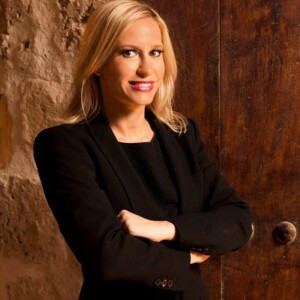
The complexity of individual tumors creates a challenge for physicians to determine the optimal treatment for any given patient. This complexity may also require a combination of therapies to target the multiple pathways a given cancer may exploit to grow and spread. My Personalized Therapeutics is taking a model systems approach to pair patients to customized drug regimens by using fruit fly models of a patient’s cancer to screen hundreds of FDA approved therapies and combinations. We spoke to Laura Towart, co-founder and CEO of My Personalized Therapeutics, about the company’s Personalized Discovery Process, how it works, and why it may lead to better outcomes for cancer patients.

Thursday Jul 04, 2019
Thursday Jul 04, 2019
As biomedical data proliferates and the life sciences becomes more closely integrated with data science, the ability for researchers to access, use, and learn from the growing universe of information requires new tools. InveniAI is seeking to address this need with its artificial intelligence platform for biopharmaceutical companies to both monitor innovation and to enhance their own drug development capabilities. We spoke to Krishnan Nandabalan, president and CEO of InveniAI, about the company, how its artificial intelligence platform is being used, and what he expects the ultimate payoff from this technology will be.

Thursday Jun 27, 2019
Thursday Jun 27, 2019
The convergence of information technology with the life sciences is opening up new ways of approaching the challenges of drug discovery and development. While much has been made about approaches that seek to leverage artificial intelligence, Nanome is bringing virtural reality into the process. With the company’s technology, scientists can take a fantastic journey to view and manipulate proteins, compounds, and other molecules at a nanoscale. We spoke to Steve McCloskey, founder and CEO of Nanome, about the company’s virtual reality platform, how scientists can use it to collaborate in real time, and its potential to change the way researchers discover and develop drugs.
Daniel Levine
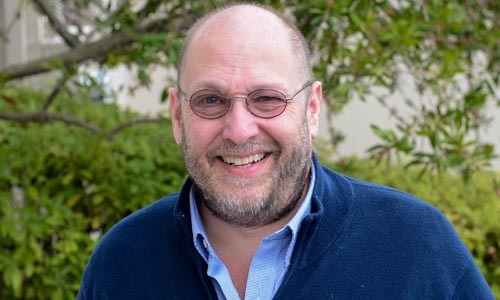
Daniel Levine is an award-winning business journalist who has reported on the life sciences, economic development, and business policy issues throughout his career. He is founder and principal of Levine Media Group, host of The Bio Report and RARECast podcasts, a senior fellow at the Center for Medicine in the Public Interest, and author of Global Genes’ annual NEXT report on emerging trends in the world of rare disease. From 2011 to 2014, he served as the lead editor and writer of Burrill & Company’s acclaimed annual book on the biotech industry. His work has appeared in numerous national publications including The New York Times, The Industry Standard, and TheStreet.com.