

The Bio Report podcast, hosted by award-winning journalist Daniel Levine, focuses on the intersection of biotechnology with business, science, and policy.
Episodes

Mar 21, 2019
Mar 21, 2019
26 min
SQZ Biotech believes its platform technology can enable the engineering of virtually any function into any cell type allow for a new world of cell therapies to revolutionize the treatment of diseases. As its name implies, it does this by squeezing a cell to momentarily disrupt its membrane to allow it to insert a range of substances. We spoke to Armon Sharei, CEO of SQZ Biotech, about the company’s platform technology, its initial focus on oncology and auto-immune diseases, and the broad potential for this approach.

Mar 13, 2019
Mar 13, 2019
21 min
As concerns grow about the rise of antibiotic resistant bugs, the ability to combat them is being undermined by the economics of antibiotic drug development. Many large pharmaceutical companies stepped away from the space and despite the passage of the GAIN Act in 2012 and government investment in antibiotic research and development, drug companies argue more action is needed. We spoke to Michael Dunne, chief scientific officer at Iterum Therapeutics, about the state of the antibiotic arsenal today, the challenges drug developers face, and whether Congress will be willing to provide the industry incentives to address societal needs at a time when there is growing animosity towards the industry over issues such as pricing.
Mar 7, 2019
Mar 7, 2019
43 min
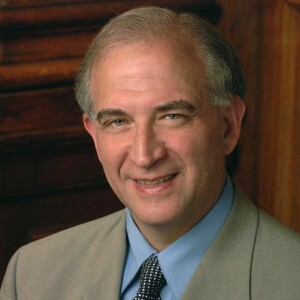
Neurotrope is developing its experimental therapy bryostatin as a potential treatment for Alzheimer’s disease and other neurodegenerative conditions. The company believes the drug has multiple mechanisms of action and can stimulate synaptic growth factors to repair damaged synapses, form new ones, and prevent neuronal death. The company, though, found itself in a controversy over the way it characterized results from a phase 2 study of the drug in 2017. It is now conducting a second phase 2 study of the drug in the hopes of demonstrating meaningful benefits for patients. We spoke to Daniel Alkon, chief scientific officer of Neurotrope, about bryostatin, the controversy over the way it reported its previous results, and the path forward for the drug.
Feb 28, 2019
Feb 28, 2019
20 min
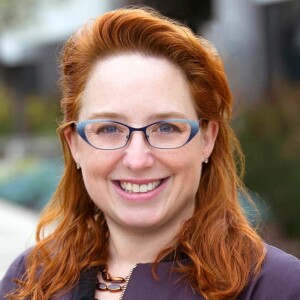
As people age, their bodies lose the ability to regenerate as well as they were able to when they were younger. Alkahest believes this is tied to changes in the mix of proteins that are present in the blood as we age. It is developing therapies for diseases of aging that seek to target specific proteins that are upregulated in diseases of aging, as well as providing a wide set of proteins drawn from purified human plasma as a therapeutic approach to counter the depletion of regenerative proteins. We spoke to Elizabeth Jeffords, chief commercial and strategy officer for Alkahest, about the science underlying the company’s approach, the controversy around others who have offered so-called “young-blood” transfusions, and the pipeline the company is pursuing.
Feb 21, 2019
Feb 21, 2019
18 min
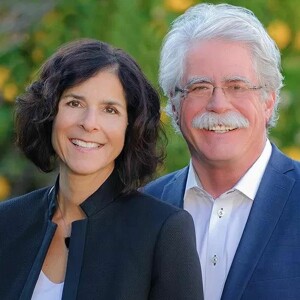
There was a time when scientists could spend their careers talking only to other scientists about their work, but that’s changed. Whether it’s the current funding climate, the need to understand complex scientific issues underlying public policy debates, or opportunities to fund translational work and commercialize important discoveries, scientists are increasingly being tasked with addressing lay audiences. In “Championing Science: Communicating your Ideas to Decision Makers” the husband and wife team of Roger and Amy Aines offer a detailed guide for scientists on how to communicate effectively with non-scientists. Roger Aines is chief scientist of the energy program at Lawrence Livermore National Laboratory and Amy Aines is CEO of Damianakes Communications. Each bring their professional experience to the book. We spoke to the duo about their book, why it's needed, and why they believe scientists not only need to learn how to communicate their ideas, but to compel action and change the world for the better.

Feb 13, 2019
Feb 13, 2019
23 min
Kleo Pharmaceuticals is a developing next-generation immuno-oncology drugs that are small-molecule compounds designed to act like biologics. Kleo’s compounds activate patients’ immune systems to target and destroy cancer cells but are faster and less costly to design and produce than biologics. We spoke to Doug Manion, CEO of Kleo, about the company’s platform technology, why he thinks it will produce safer and more effective immunotherapies, and the potential to use these compounds in conjunction with existing biologics to enhance their activity.

Feb 7, 2019
Feb 7, 2019
31 min
Josiah Zayner calls himself a biohacker. He’s got a Ph.D. in molecular biophysics from the University of Chicago and worked as a fellow in NASAs synthetic biology program. But it is Zayner’s evangelism for democratizing the tools of biotechnology, his flair for attention-grabbing self-experimentation, and efforts to share the knowledge and equipment necessary to perform procedures like gene editing that have given him some notoriety. As founder and CEO of The ODIN, Zayner is helping move biotechnology from the labs of universities and biopharmaceutical companies to high schools and garages. We spoke to Zayner about his efforts, how biotechnology is becoming accessible to laypeople, and how he sees this fueling innovation.

Jan 31, 2019
Jan 31, 2019
18 min
One-third of adults suffer from high blood pressure and 9.4 million people a year will die from complications relating to the condition. In fact, cardiovascular disease remains the leading cause of death worldwide. Quantum Genomics is developing a new class of drugs that target an enzyme in the brain for the treatment of high blood pressure and the prevention of related cardio-vascular risks. We spoke to J.P. Milon, CEO of Quantum Genomics, about its platform technology, how it works, and why it may have promise as an approach to treating both hypertension and heart failure.
Daniel Levine
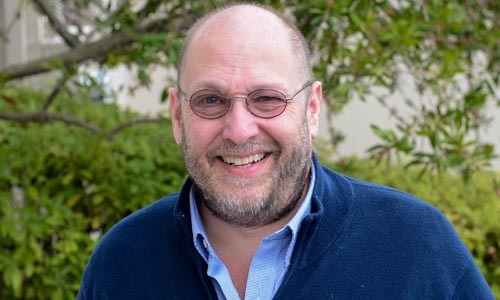
Daniel Levine is an award-winning business journalist who has reported on the life sciences, economic development, and business policy issues throughout his career. He is founder and principal of Levine Media Group, host of The Bio Report and RARECast podcasts, a senior fellow at the Center for Medicine in the Public Interest, and author of Global Genes’ annual NEXT report on emerging trends in the world of rare disease. From 2011 to 2014, he served as the lead editor and writer of Burrill & Company’s acclaimed annual book on the biotech industry. His work has appeared in numerous national publications including The New York Times, The Industry Standard, and TheStreet.com.