

The Bio Report podcast, hosted by award-winning journalist Daniel Levine, focuses on the intersection of biotechnology with business, science, and policy.
Episodes
Thursday Jul 19, 2018
Thursday Jul 19, 2018
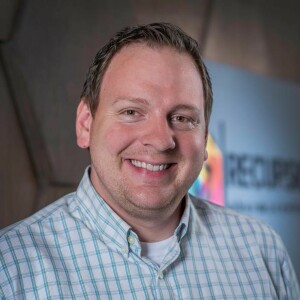
Recursion Pharmaceuticals is reinventing the drug discovery process by turning biology into a data science problem. The company has set an audacious goal for itself of developing 100 drugs in 10 years. Though Recursion initially focused on repurposing existing drugs to treat rare diseases, it has expanded its work into new disease areas and is looking at new chemical entities as well. We spoke to Chris Gibson, founder and CEO of Recursion, about the approach the company is taking, the challenges of mixing biologists and data scientists together, and why he’s holding fast to his goal of attaining an unparalleled level of drug development efficiency through the use of artificial intelligence.
Thursday Jul 12, 2018
Thursday Jul 12, 2018
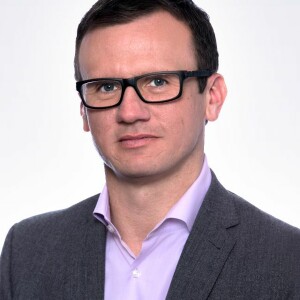
The blood-brain barrier provides essential protection against pathogens while allowing needed oxygen and nutrients to pass. However, one challenge it presents is getting therapeutics delivered to the brain and central nervous system. Bioasis Technologies has developed a way to attach fusion proteins to drugs to allow them to pass the blood-brain barrier. We spoke to Mark Day, CEO of Bioasis, about its platform technology, what is known about it from testing to date, and the potential therapeutic implications of being able to deliver drugs systemically that can reach the central nervous system and brain.

Thursday Jul 05, 2018
Thursday Jul 05, 2018
There’s been much made of the potential of the microbiome to address disease and promote wellness. While much of the therapeutic efforts in this area have focused on the microbiome of the gut, Azitra has developed a platform for selecting bacteria native to the skin and engineering it to produce therapeutic proteins. We spoke to Travis Whitfill, chief science officer of Azitra, about the company’s platform, why it may be preferable to apply bacteria to the skin that can produce therapeutic proteins where they are needed, and why some of the biggest opportunities for the technology may be in the health and beauty markets.

Thursday Jun 28, 2018
Thursday Jun 28, 2018
Incubators and accelerators come in many flavors. Mass Innovation Labs is seeking to distinguish itself with its approach to providing research scientists with infrastructure comparable to what a discovery and development team might have at a mature pharmaceutical company. We spoke to Amrit Chaudhuri, CEO of Mass Innovation Labs, about what it does to accelerate the movement of its client companies down the path to commercialization, what its track record has been, and how it differs from the competition.

Thursday Jun 21, 2018
Thursday Jun 21, 2018
Intrexon has been at the forefront of efforts to harness biotechnology to address significant issues in health, energy, food, and environmental sustainability. The company is applying synthetic biology to a wide range of applications from halting the spread of mosquito-borne disease to preventing apples from browning. We spoke to Tom Schrader, vice president of communications and strategy for Intrexon, about the company’s use of acquisitions and collaborations, the challenge the industry has faced in scaling production to commercial scale, and why synthetic biology will have implications for industries not traditionally thought of using biotechnology.

Thursday Jun 14, 2018
Thursday Jun 14, 2018
The field of behavioral economics is premised on the fact that people are irrational. By harnessing tools, such as incentives, healthcare providers and drugmakers are trying to change patient behavior as a way to improve outcomes and keep people heathy. Susan Garfield, principal in the life sciences practice of EY, discussed the opportunities for the application of behavioral economics in the healthcare realm, the role digital technologies can play in enabling this approach, and what companies are doing today to move this from academic to industry practice.

Thursday Jun 07, 2018
Thursday Jun 07, 2018
Dmitry Kaminskiy does not have a lot of kind words for aging. In fact, the general partner at Deep Knowledge Ventures and managing trustee of the Biogerontology Research Foundation has called it the “ultimate evil.” As part of his ongoing war against aging the venture capitalist is offering a $1 million prize to the first person to reach the age of 123. We spoke to Kaminskiy about the longevity industry today, how a shift in medicine from treatment to prevention will alter lifespans, and what he’s trying to accomplish with his longevity prize.

Thursday May 31, 2018
Thursday May 31, 2018
Children undergoing chemotherapy often face permanent hearing loss as a result of the toxicity of these treatments. The Children’s Cause for Cancer Advocacy is organizing a Patient Focused Drug Development meeting with the FDA in September in the hopes of getting the agency to put greater consideration into the harmful effects these drugs can have and what it means for patients to lose their hearing. We spoke to Nawal Ouzren, CEO of Sensorion, which will participate in the FDA meeting and is developing a treatment for sudden hearing loss that may be able to help these patients. We spoke to Ouzren about the problem of hearing loss for children receiving chemotherapy, why regulators and others may dismiss it as an unfortunate price to pay for a life-saving treatment, and how Sensorion’s experimental drug may help prevent these children from going deaf.
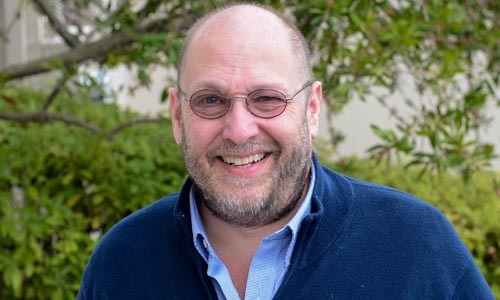
Daniel Levine
Daniel Levine is an award-winning business journalist who has reported on the life sciences, economic development, and business policy issues throughout his career. He is founder and principal of Levine Media Group, host of The Bio Report and RARECast podcasts, a senior fellow at the Center for Medicine in the Public Interest, and author of Global Genes’ annual NEXT report on emerging trends in the world of rare disease. From 2011 to 2014, he served as the lead editor and writer of Burrill & Company’s acclaimed annual book on the biotech industry. His work has appeared in numerous national publications including The New York Times, The Industry Standard, and TheStreet.com.