

The Bio Report podcast, hosted by award-winning journalist Daniel Levine, focuses on the intersection of biotechnology with business, science, and policy.
Episodes
Oct 15, 2025
Oct 15, 2025
32 min
China’s emergence as a biotech superpower may have appeared to happen suddenly, but it reflected a long-term vision and policies over many years that enabled its success. As biotechnology transforms not only medicine but also industries such as food, fuel, and materials, the competition between China and the United States to shape the future bioeconomy is intensifying. We spoke to Drew Endy, associate professor of bioengineering and senior fellow of the Hoover Institution at Stanford University, about China’s all-of-nation strategy, how the United States has misallocated research dollars, and why a cultural embrace of biotechnology will be critical for the success of either country.
Oct 8, 2025
Oct 8, 2025
39 min
The ARC Virtual Cell Atlas uses high-throughput single-cell genomics, artificial intelligence, and open science to understand the complexities of cellular behavior. Developed through a partnership between the ARC Institute, 10x Genomics, and Ultima Genomics, the public domain resource integrates data from hundreds of millions of cells. By curating and harmonizing vast amounts of single-cell measurements, the Atlas paves the way for virtual cell simulations that can predict how cells respond to genetic or chemical changes. These models hold the promise for transforming drug discovery by accelerating target identification, optimizing candidate compounds, and reducing the cost of drug development. We spoke to Arc Institute’s Core Investigator Hani Goodarzi, Ultima Genomics CEO Gilad Almogy, and 10X Genomics CEO Serge Saxonov, about how the Atlas will serve academic and industry researchers developing therapies, how it will help unravel disease mechanisms at a cellular level, and provide broad access to advanced cellular analytics.
Oct 1, 2025
Oct 1, 2025
24 min
Bronchopulmonary dysplasia is a condition that affects preterm infants, especially those born with underdeveloped lungs who require prolonged oxygen therapy or mechanical ventilation to help them breathe after birth. It is characterized by damage and abnormal development of the lung tissue and airways, often resulting from life-saving interventions necessary for babies born very prematurely. Airway Therapeutics is developing a new class of biologics for respiratory and inflammatory diseases, starting with bronchopulmonary dysplasia. We spoke to Marc Salzberg, CEO of Airway Therapeutics, about the company’s experimental therapy zelpultide alfa, why it’s a pipeline-in-a-product, and its development path forward.
Sep 24, 2025
Sep 24, 2025
29 min
MASH, a chronic and progressive form of fatty liver disease that until recently was known as NASH, affects millions of people in the United States, and its incidence continues to rise. In fact, MASH is now among the leading causes of liver transplantation in the United States. 89bio is developing an experimental therapy to target multiple disease mechanisms of the condition. We spoke to Rohan Palekar, CEO of 89bio, about what’s driving the prevalence of MASH, the limits of existing medicines, and how its experimental therapy targets both liver fibrosis and the underlying metabolic dysfunctions of the disease. Since recording this interview, Roche announced it would acquire 89bio for $14.50 a share and a contingent value right of $6 per share for up to a total of $3.5 billion.
Sep 17, 2025
Sep 17, 2025
30 min
The average kidney transplant recipient experiences kidney failure within 10 to 12 years after a transplant, putting them on a cycle that ends with kidney failure and a need for a new transplant. This cycle adds to strains on transplant recipients, payers, providers, and the healthcare system and taxes the limited supply of organs for transplantation. Eledon Pharmaceuticals is seeking to extend the functional life of transplanted organs while reducing the side effects of current immunosuppressive treatments with its experimental, first-in-class immunosuppressive therapy, Tegoprubart. We spoke to Steve Perrin, president and chief scientific officer of Eledon Pharmaceuticals, about the need for innovative approaches to immunosuppression in organ transplantation, how its experimental therapy works, and why it may also have benefits in autoimmune and neurodegenerative diseases as well.
Sep 10, 2025
Sep 10, 2025
35 min
Antimicrobial resistance is projected to kill up to 10 million people a year by 2050. One particular area of concern is drug-resistant gonorrhea, where existing therapies are being exhausted. Taxis Pharmaceuticals is developing therapies to combat evolving superbugs by targeting their cellular infrastructure and disrupting the mechanisms that fuel antimicrobial resistance. We spoke to Greg Mario, president and CEO of Taxis, about the public health threat posed by drug-resistant gonorrhea, the approaches it’s taking to develop new antimicrobial treatments, and the need for new funding models to bring new therapies to market.
Sep 3, 2025
Sep 3, 2025
36 min
Brain tumors are difficult to treat in part because of the blood-brain barrier, the need to protect healthy and sensitive tissue surrounding tumors, and the limits of existing therapies. While there have been great advances in other types of cancer, there’s been relatively little progress in treating these CNS tumors. Plus Therapeutics is developing targeted radiotherapies that provide high doses of radiation directly into the tumor with a catheter. The approach enables the delivery of higher doses of radiation while minimizing exposure to healthy brain cells. We spoke to Marc Hedrick, president and CEO of Plus Therapeutics, about the challenges of treating brain tumors, the limitations of current therapies, and why the company’s targeted radiotherapies have the potential to create better outcomes for patients.
Aug 27, 2025
Aug 27, 2025
27 min
Macrocycles are complex compounds that can interact with targets that are often unreachable with traditional small molecules. Orbis Medicines is addressing the challenge with its nCycles, synthetic macrocycle drugs that are orally available but hit targets that would otherwise require biologic therapies. We spoke to Morten Graugaard, CEO of Orbis Medicines, about its class of synthetic macrocycles called nCycles, its platform technology to generate and screen these therapies, and how they can offer an orally-delivered alternative to biologics.
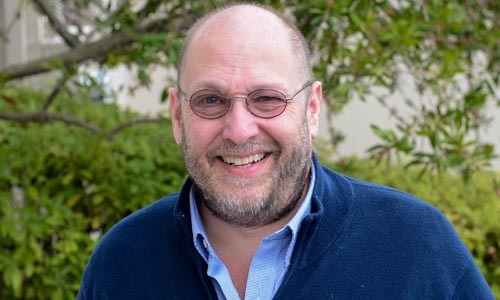
Daniel Levine
Daniel Levine is an award-winning business journalist who has reported on the life sciences, economic development, and business policy issues throughout his career. He is founder and principal of Levine Media Group, host of The Bio Report and RARECast podcasts, a senior fellow at the Center for Medicine in the Public Interest, and author of Global Genes’ annual NEXT report on emerging trends in the world of rare disease. From 2011 to 2014, he served as the lead editor and writer of Burrill & Company’s acclaimed annual book on the biotech industry. His work has appeared in numerous national publications including The New York Times, The Industry Standard, and TheStreet.com.