

The Bio Report podcast, hosted by award-winning journalist Daniel Levine, focuses on the intersection of biotechnology with business, science, and policy.
Episodes

Thursday May 28, 2015
Thursday May 28, 2015
Wall Street’s attention will turn to Chicago as the annual meeting of the American Society of Clinical Oncology runs from May 29 to June 2. Some 5,000 abstracts became available mid-month and investors have been sifting through them to gain insights into which drugmakers will rise and fall on news from the meeting. We spoke to Adam Feuerstein, senior columnist for TheStreet, about the ASCO meeting, what the early abstracts say, and who will likely be making headlines at the meeting this year.

Wednesday May 20, 2015
Wednesday May 20, 2015
A recent article in Nature Chemical Biology that shows it is possible to convert sugar into morphine with genetically engineered yeast has sparked public attention over the potential illicit use of the technology and the need for regulation. The work, though, also opens up significant possibilities for producing a wide range of drugs and the discovery of new ones to treat everything from cancer to infectious diseases. We spoke John Dueber, assistant professor of bioengineering at the University of California, Berkeley and one of the authors of the study, about the work, its implications, and what role biologists need to play in regulating themselves.
Thursday May 14, 2015
Thursday May 14, 2015
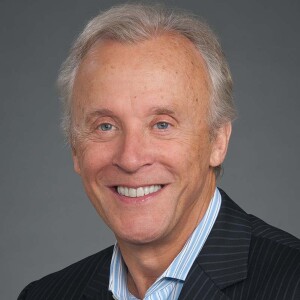
Universities are moving away from a passive approach to technology transfer to engage with industry in new partnerships, put a greater emphasis on translational research, and nurturing technologies so they can give rise to new products and companies. We spoke to Eric Tomlinson, chief innovation officer of Wake Forest Baptist Medical Center, about these changes, the approach Wake Forest is taking, and how it is forging new relationships with industry and the regional economy.

Thursday May 07, 2015
Thursday May 07, 2015
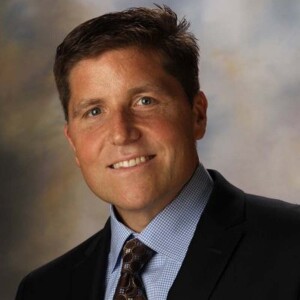
With the mapping of the human microbiome, a new understanding is emerging of the complex relationship between the microorganisms that live in the human gut, skin, and elsewhere on the body, and the role they play both in disease and in maintaining health. Along with growing concerns about drug resistant bacteria, this is giving rise to opportunities for narrow spectrum antibiotics. We spoke to David Martin, founder and CEO of AvidBiotics, about the problems of antibiotic resistance, the benefits narrow spectrum therapies offer, and how the sequencing of the microbiome is leading to new approaches to not only treat infectious diseases, but other diseases not traditional thought of as being driven by microorganisms.
Thursday Apr 30, 2015
Thursday Apr 30, 2015
AgeneBio is developing drugs to treat the pre-dementia stage of Alzheimer’s disease, and other neurological and psychiatric conditions. The company announced encouraging mid-stage results for its lead therapeutic, which works by quieting hyperactivity in the hippocampus portion of the brain, which plays a critical role in the formation of memory. We spoke to Jerry McLaughlin, CEO of AgeneBio about the company’s efforts, why this approach holds promise in delaying the onset of dementia in Alzheimer’s patients, and whether this approach may have implications for other neurological and psychiatric diseases.

Thursday Apr 23, 2015
Thursday Apr 23, 2015
In April, the IMS Institute released a new report that U.S. drug spending in 2014 rose 13.1 percent to $373.9 billion, the largest single year increase in spending since 2001. A number of factors drove the increase including the launch of innovative new therapies such as Gilead’s hepatitis C drug Sovaldi. We spoke to Murray Aitken, executive director of IMS Institute for Healthcare Informatics, about the new report, the confluence of factors that drove spending higher, and what the outlook is for 2015 and beyond.

Thursday Apr 16, 2015
Thursday Apr 16, 2015
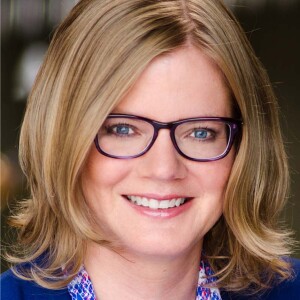
AARP, the advocacy group serving people over the age of 50, is taking steps to ensure that digital health technologies best serve its membership. The organization has embarked on an initiative to test the design and functionality of digital health devices for older people and provide feedback to the marketplace. It’s enlisted partners United Healthcare and Pfizer as part of its effort. We spoke to Jeff Makowka, director of thought leadership for AARP, about its efforts, how it’s going about testing devices, and what it hopes to accomplish. We had some technical difficulties on this podcast that were not apparent during the interview. We’ve done our best to clean it up, but you will hear some static early in the recording. We apologize to our listeners and our guest, who we think you’ll find nonetheless interesting.
Friday Apr 10, 2015
Friday Apr 10, 2015
A newly discovered archive of documents reveal the sugar industry’s efforts to shape the national research agenda away from the effects of sugar on tooth decay and push for programs to focus on alternatives to reducing consumption. We spoke to Cristin Kearns, a University of California, San Francisco postdoctoral scholar who discovered the papers, about her research, how the agenda of the National Institute of Dental Health became aligned with the sugar industry’s, and how industry can subvert research agendas to protect their economic interests at the expense of public health.
Daniel Levine
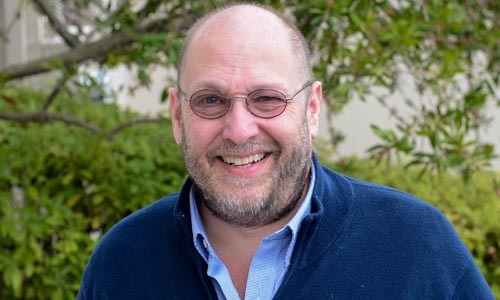
Daniel Levine is an award-winning business journalist who has reported on the life sciences, economic development, and business policy issues throughout his career. He is founder and principal of Levine Media Group, host of The Bio Report and RARECast podcasts, a senior fellow at the Center for Medicine in the Public Interest, and author of Global Genes’ annual NEXT report on emerging trends in the world of rare disease. From 2011 to 2014, he served as the lead editor and writer of Burrill & Company’s acclaimed annual book on the biotech industry. His work has appeared in numerous national publications including The New York Times, The Industry Standard, and TheStreet.com.