

The Bio Report podcast, hosted by award-winning journalist Daniel Levine, focuses on the intersection of biotechnology with business, science, and policy.
Episodes
Apr 30, 2025
Apr 30, 2025
25 min
At the end of 2024, the Advanced Research Projects Agency for Health awarded a team led by the University of Colorado Anschutz Medical Campus, and including the Foundation Fighting Blindness and six other research groups, up to $46 million to advance research to enable human eye transplants to restore vision in people who are blind. The goal of the project is to make whole eye transplantation a reality by 2030. We spoke to Kia Washington, the project’s principal investigator and professor of surgery at the University of Colorado School of Medicine; and Chad Jackson, senior director of preclinical translational research at the Foundation Fighting Blindness about why no one has been able to restore vision through whole eye transplantation yet, the technological advancements that now put the goal in reach, and why maintaining and restoring the optic nerve remains a central challenge.
Apr 23, 2025
Apr 23, 2025
34 min
Synthetic biology companies have faced a difficult few years as share prices have been battered and investment in the sector has waned. As investors and companies are readying to gather for the annual SynBioBeta conference in San Jose May 5 through 8, a new report from the bipartisan National Security Commission on Emerging Biotechnology warns that the United States is at risk of losing its leadership to China and is calling for a $15 billion investment into biotech over the next five years to support startups that strengthen national security. We spoke to John Cumbers, founder and CEO of SynBioBeta, about the state of synthetic biology, the policy landscape, and the upcoming SynBioBeta 2025 conference. (Listeners of The Bio Report wishing to attend SynBioBeta can use the discount code “thebioreport” to save on their registration at synbiobeta.com.)
Apr 16, 2025
Apr 16, 2025
39 min
Until recently, treatments for both chronic and acute pain had been an area that went for decades without the development of innovative new treatments. South Rampart Pharma is seeking to develop safer and more effective pain management therapies that avoid the liver toxicity of acetaminophen, the kidney toxicity of NSAIDs, and the abuse potential of opioids. We spoke to Hernan Bazan, co-founder and CEO of South Rampart Pharma, about the need for new pain medicines, the company’s first-in-class experimental analgesic, and how it avoids the problems common with other pain medications.
Apr 9, 2025
Apr 9, 2025
27 min
The Zimin Institute for AI Solutions in Healthcare, a joint initiative between the Zimin Foundation and the Technion – Israel Institute of Technology, is seeking to accelerate the integration of AI into the life sciences. Although it is pursuing a wide range of opportunities from precision medicine to therapeutic discovery, its primary focus is on addressing real-world problems and conducting translational research. We spoke to Shai Shen-Orr, director of the Zimin Institute for AI Solutions, about the challenges the institute seeks to address, how it operates, and how it aims to bridge the gap between academic research and commercial applications in healthcare AI.
Apr 2, 2025
Apr 2, 2025
29 min
The search for non-opioid pain relievers opioids has focused on pharmaceutical alternatives including non-steroidal anti-inflammatories, antidepressants, and anticonvulsants. Brixton Biosciences is developing Neural Ice, an injectable frozen slurry that can degenerate nerves in targeted areas and provide pain relief for extended periods. The discovery capitalizes on unexpected findings about the effects of a fat-reducing cosmetic procedure. We spoke to Sameer Sabir, co-founder and CEO of Brixton Biosciences, about the unmet need for pain management, how Neural Ice works, and the company’s initial focus on osteoarthritis and post-operative knee pain.
Mar 26, 2025
Mar 26, 2025
39 min
Antibodies have been powerful tools for inhibiting a targeted protein. Abalone Bio is pursuing a new class of antibody therapies called activating antibodies that can regulate cellular processes and restore their balance. One aspect that makes these rare antibodies attractive is that they can target previously undruggable G protein-coupled receptors, allowing them to treat diseases that have been hard to address. We spoke to Richard Yu, co-founder and CEO of Abalone Bio, about activating antibodies, how the company generates massive data sets for its AI-driven platform technology, and how it looks beyond binding to explore the function of these antibodies.
Mar 19, 2025
Mar 19, 2025
1hr 11 min
Jorge Goldstein trained for a career in molecular biology and biochemistry before becoming a patent attorney, a background that positioned him to help shape patent law for the biotech industry throughout his 40-year career. In his new book Patenting Life: Tales from the Front Lines of Intellectual Property and the New Biology, Goldstein offers a history of the biotech industry through the lens of the critical patent battles that shaped the landscape. We spoke to Goldstein, founder of the law firm Sterne, Kessler, Goldstein & Fox, about the industry’s critical patent battles, his new book, and how he is working today to use patents as instruments for social and economic justice.
Mar 12, 2025
Mar 12, 2025
28 min
Eosinophilic esophagitis is a progressive allergic disease characterized by difficulty swallowing and gastric reflux. It results from an elevated number of inflammatory immune cells in the walls of the esophagus. If left untreated, it can cause long-term complications, including scarring and difficulty swallowing. Revolo Biotherapeutics is developing a synthetic peptide therapy that can potentially restore immune system homeostasis in EOE and other allergic diseases. We spoke to Woody Bryan, president and CEO of Revolo, about eosinophilic esophagitis, how the company’s experimental therapy restores homeostasis to the immune system, and how people exposed to tuberculosis pointed the way toward the experimental therapy.
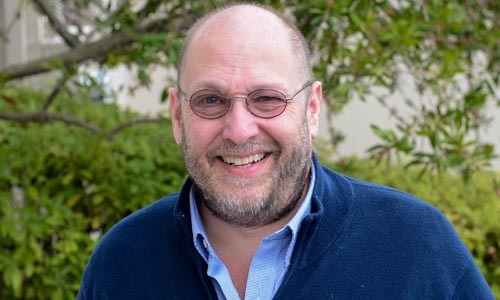
Daniel Levine
Daniel Levine is an award-winning business journalist who has reported on the life sciences, economic development, and business policy issues throughout his career. He is founder and principal of Levine Media Group, host of The Bio Report and RARECast podcasts, a senior fellow at the Center for Medicine in the Public Interest, and author of Global Genes’ annual NEXT report on emerging trends in the world of rare disease. From 2011 to 2014, he served as the lead editor and writer of Burrill & Company’s acclaimed annual book on the biotech industry. His work has appeared in numerous national publications including The New York Times, The Industry Standard, and TheStreet.com.